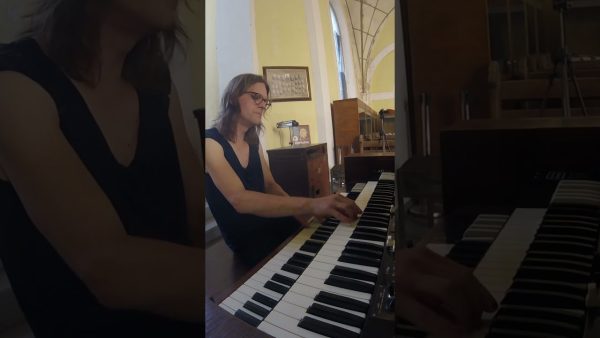
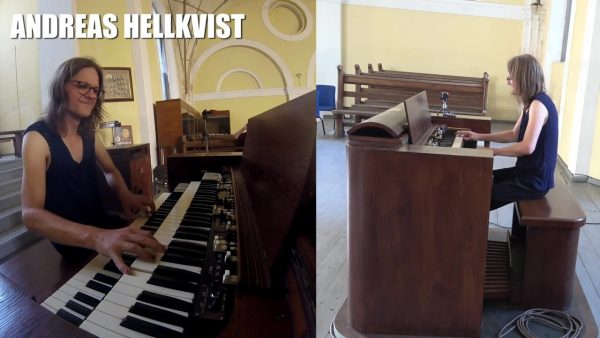
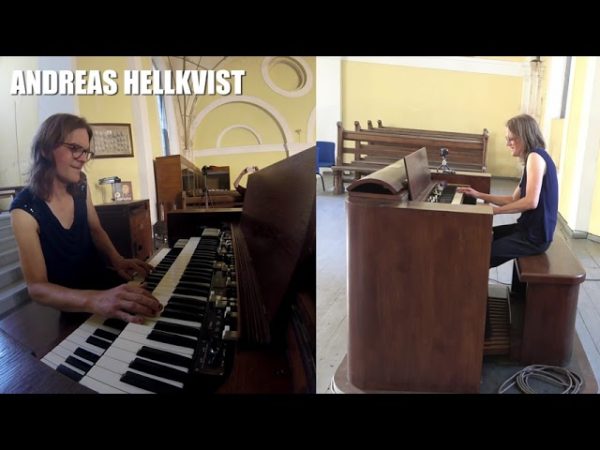
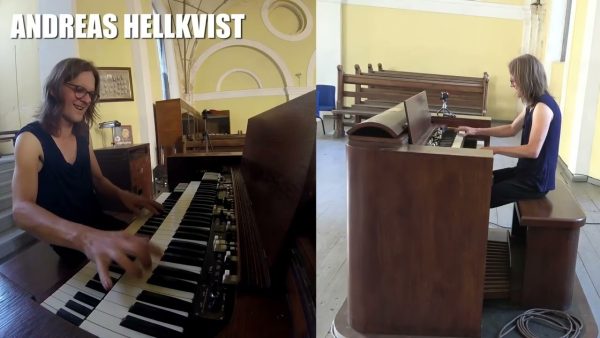
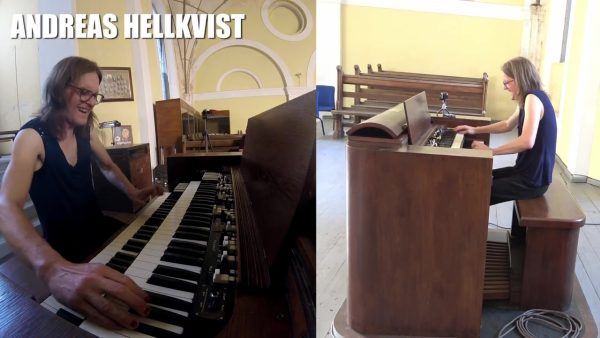
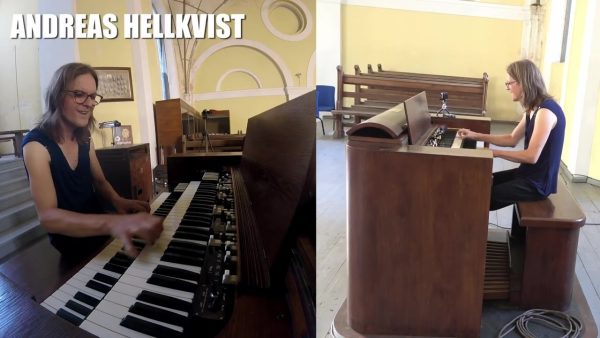
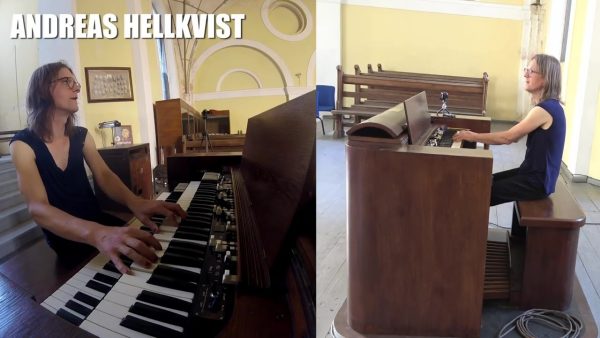
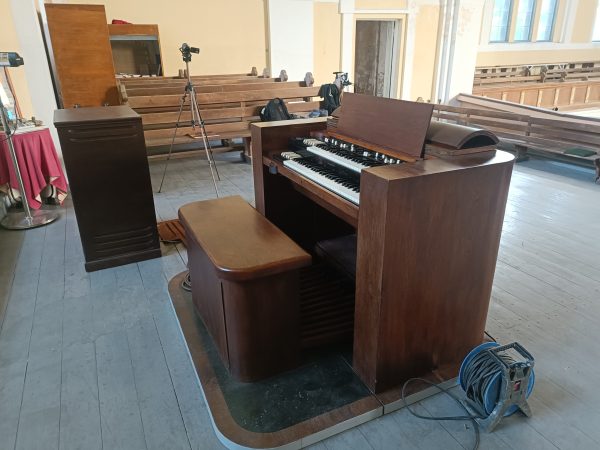
During my recent trip to Liepāja, Latvia, I had the rare privilege of spending an hour at the manuals of a true piece of musical and industrial history. Sitting inside Liepāja’s mighty Lutheran church (Holy Trinity Cathedral) is an extraordinary instrument: a 1930s Hammond BC organ, one of only nine built under license by Latvia’s legendary VEF factory—and the sole surviving example left in the world today.
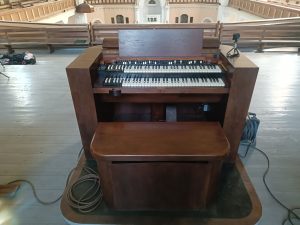
Housed in a custom Latvian Art Deco cabinet, this organ is a remarkable artifact from the golden era of Latvian craftsmanship before World War II. That it is still standing—and still playable—is nothing short of miraculous: it survived both the devastation of the war and the long decades of Soviet occupation that followed, enduring quietly inside the church while the rest of its siblings disappeared into history. Getting to sit down and play an instrument with that kind of resilience—and in such a monumental acoustic space—was an unforgettable experience.
Because the BC model predates the famous B3 and lacks modern percussion, it has a distinct, raw character of its own—warm, woody, and surprisingly “greasy” when you push it. Over the course of my hour with the instrument, I recorded nine pieces spanning hymns, classic jazz, greasy blues, original funk, and songs of peace and freedom, testing how this nearly 90-year-old Latvian survivor handles everything from traditional church music to grooves its 1930s builders could never have imagined.
The Hammond in Liepaja, Latvia
Type: Tonewheel
Made in: 1937
Special features:
Custom Latvias Art Deco design
…
This is a Hammond organ manufactured in 1937 in Latvia by the VEF factory. It now sits in the Lutheran church in Liepaja, and is in full working order. It is one of 9 organs that were made in the years before WWII and the subsequent Soviet occupation. The furniture is of Latvian design. A…
Pictures


Videos